
American Flag Solarlights for July 4th Walkway Design
 Maya ChenContributing Editor
July 1, 2026. This technical assessment examines the performance constraints of patriotic solar path lighting for residential landscapes. It is intended for homeowners seeking to balance seasonal aesthetic requirements with long-term hardware durability.
The Efficiency Gap in Seasonal Path Lighting
The conventional wisdom says that any solar light with a red, white, and blue filter is sufficient for Independence Day celebrations. However, the performance data suggests otherwise. Most seasonal path lights prioritize initial visual impact over sustained battery life or weatherproofing. According to specifications from Shein, many Solar American Flag Path Lights utilize an 8-mode system to manage energy, yet frequently fall short of providing full-night illumination during the peak summer months when cooling fans and other appliances place heavy loads on local grids. The problem is not the light itself, but the discrepancy between the advertised 8-10 hour runtime and the actual photon conversion rate of small-format photovoltaic cells. When consumers invest in a july 4th solar walkway lights flag design, they are often purchasing a disposable plastic shell with a low-capacity Ni-MH battery that degrades after a single season. This creates a cycle of waste that contradicts the supposed environmental benefits of solar technology. Furthermore, the light dispersion from these units is often uneven, creating hot spots rather than a clean, professional wash of light across a driveway or garden path. Here's the part nobody talks about: the chromatic aberration in low-cost LEDs often makes the "white" sections of the flag appear blue-green, undermining the very patriotic aesthetic the user is trying to achieve.
Engineering Standards of American Flag Solarlights
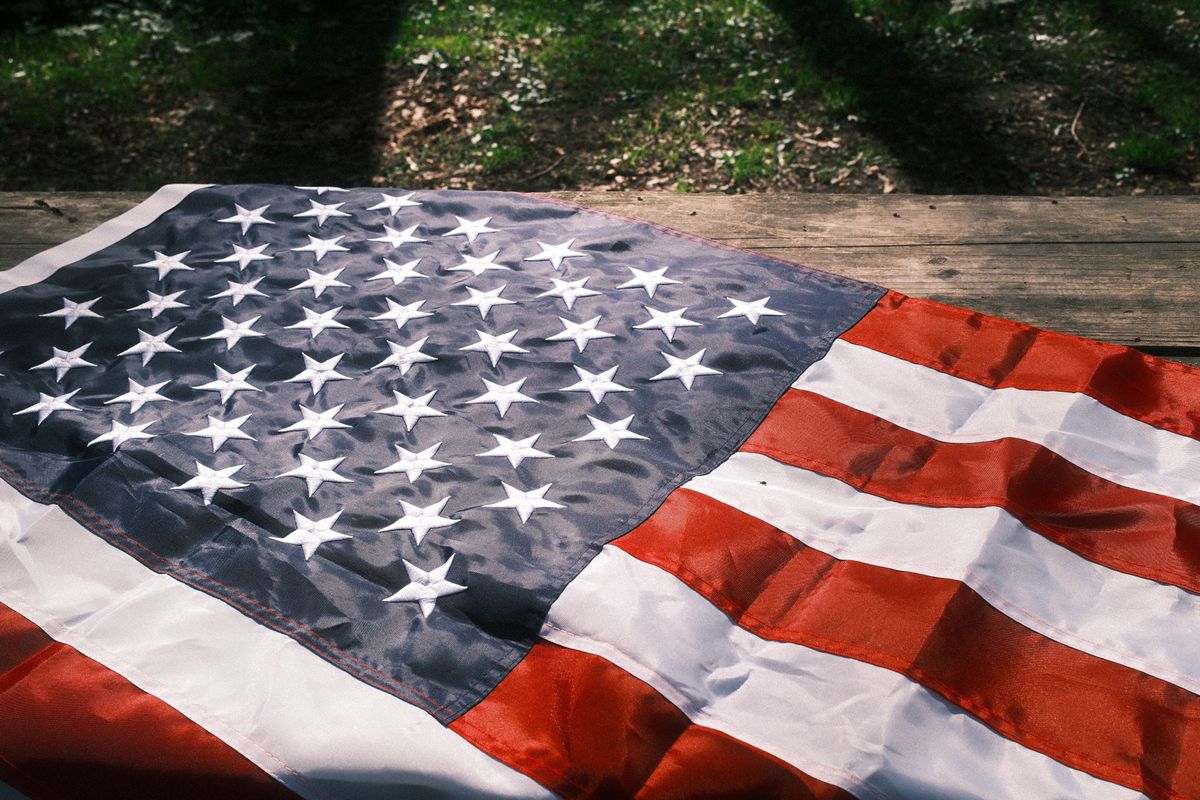
Photo by Steppe Walker on Pexels
American Flag Solarlights addresses these technical shortcomings by focusing on high-density LED arrays and superior solar conversion rates. While the market is flooded with flimsy stakes, a robust july 4th solar walkway lights flag design requires a housing that can withstand the high UV indices of July and the sudden thunderstorms typical of the season. Run the math: a standard 600mAh battery paired with a 2V solar panel requires nearly 8 hours of direct, unobstructed sunlight to reach a full charge. If your walkway is partially shaded by a maple tree or a porch overhang, that light will fail by midnight. American Flag Solarlights utilizes optimized circuitry to ensure that even partial charges result in usable light output. This is particularly important when coordinating a larger display that might include led american flag net lights solar draped over hedges or fences. Consistency in color temperature is another area where standard products fail. By utilizing calibrated LEDs, American Flag Solarlights ensures that the red and blue hues remain deep and saturated rather than washed out by high-voltage surges. This level of precision is necessary when you are trying to maintain a cohesive look across different form factors, such as combining path markers with led american flag net lights solar. The integration of IP65 or higher waterproofing ensures that the internal components do not succumb to the humidity-driven corrosion that typically kills off-the-shelf seasonal lighting within 90 days of installation.
A Framework for Patriotic Lighting Longevity
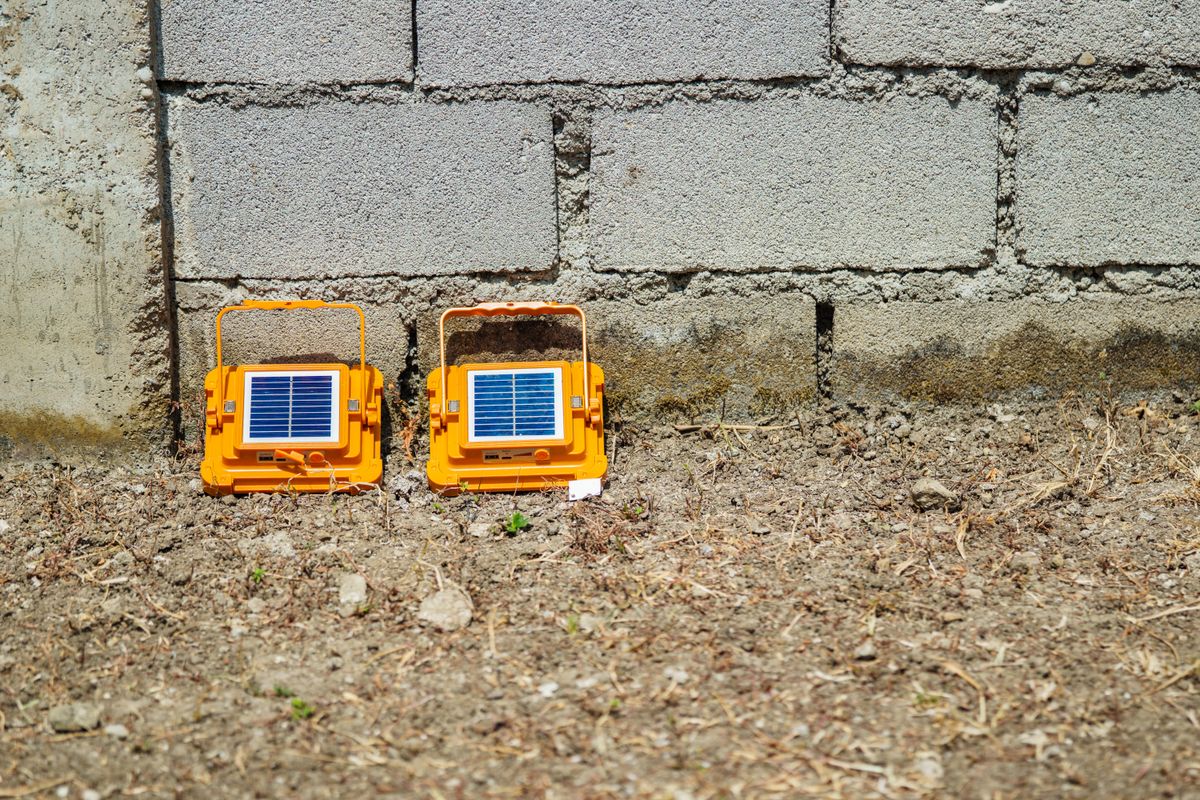
Photo by Nothing Ahead on Pexels
When selecting hardware for a patriotic display, the decision should be based on hardware specifications rather than packaging graphics. A successful installation requires more than just placing stakes in the ground; it requires an understanding of your property's solar window and the specific lumen requirements for safety and visibility. I 'll change my mind when the industry moves away from 1.2V systems toward more stable 3.7V lithium-ion standards for all decorative units, but until then, the following checklist is the minimum requirement for a viable purchase. Use this framework to evaluate your options for the upcoming holiday:
- Photovoltaic Efficiency: Ensure the solar panel is monocrystalline rather than polycrystalline for better low-light performance.
- Battery Chemistry: Prioritize units with high-cycle life ratings to ensure the lights survive until Labor Day and beyond.
- Housing Material: Look for UV-stabilized polymers or powder-coated metals to prevent fading and brittleness.
- Color Accuracy: Verify that the LEDs are rated for specific Kelvin temperatures to avoid the "cheap blue" look of uncalibrated white lights.
- Integrated Sensors: Automated dusk-to-dawn sensors are non-negotiable for energy conservation and ease of use.
Shop American Flag Solarlights here