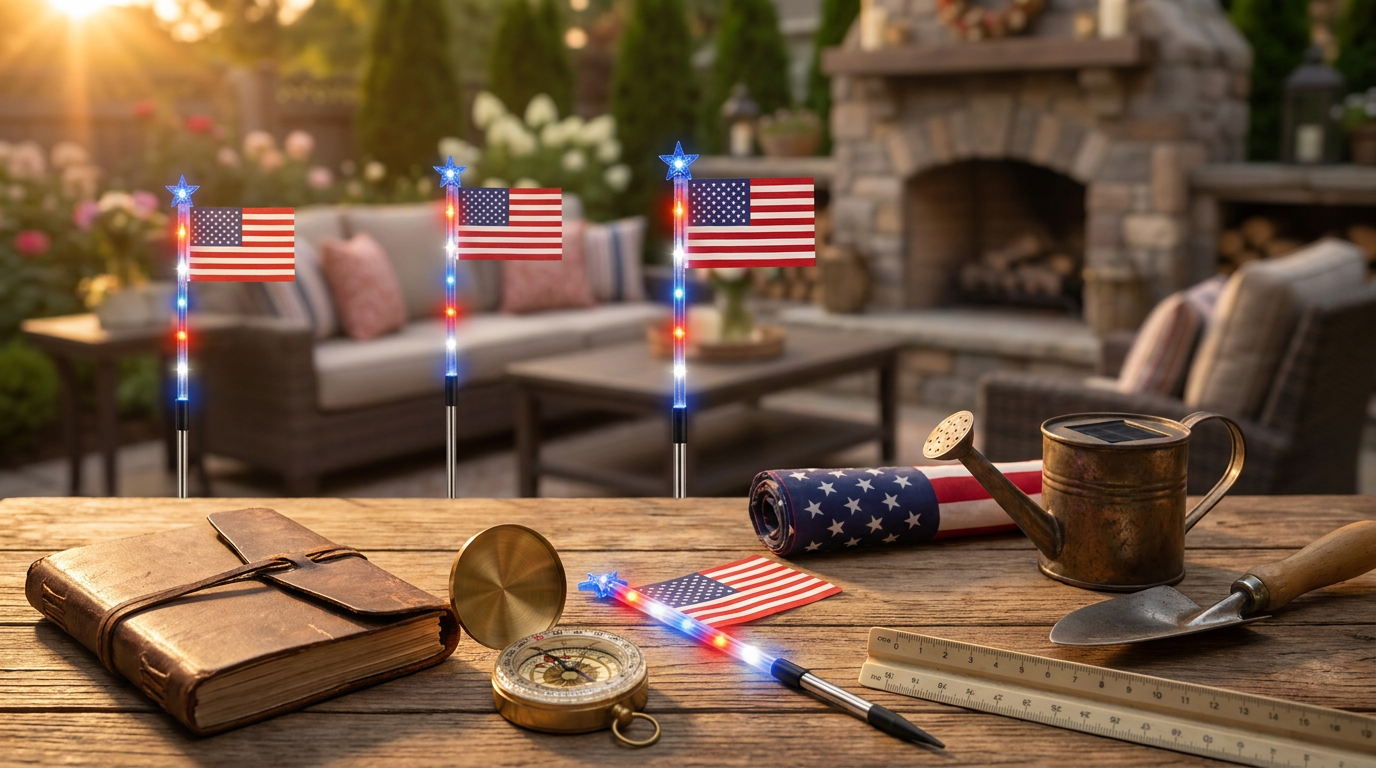
American Flag Solarlights and Technical Flagpole Illumination
 Maya ChenContributing Editor
July 10, 2026. This analysis evaluates the efficacy of top-mounted solar arrays for residential and commercial flag displays. It is intended for property owners seeking to maintain U.S. Flag Code compliance without the infrastructure costs of hardwired electrical systems.
The Engineering Deficit in Standard Flag Lighting
The conventional wisdom says that any light directed at a flag satisfies the requirement for nighttime display, but the math on light dispersion suggests otherwise. Most generic solar solutions suffer from a rapid decay in lumen output within the first four hours of darkness, leaving the flag in a state of 'civil twilight' rather than true illumination. According to Service First Products, higher-end engineering is required to ensure that a solar power flag pole light provides enough brightness to actually render the flag visible from the street. Here's the part nobody talks about: the angle of incidence. A light mounted too low, such as solar American flag lights for yard, may fail to reach the peak of a 25-foot pole with sufficient foot-candles. When the light source is located at the ground level, energy is wasted illuminating the pole's base and the surrounding air. Furthermore, the U.S. Flag Code suggests the flag should be 'properly illuminated,' a vague term that many interpret as a simple glow. In reality, effective lighting requires a concentrated beam that tracks with the flag as it rotates in the wind. Many off-the-shelf units provide a wide, weak wash of light that dissipates before reaching the fabric. This creates a silhouette effect rather than true visibility, which technically skirts the edge of respectful display protocols. Without a high-capacity lithium-ion reservoir, most units are effectively decorative rather than functional by 2:00 AM.
Optimizing the Solar Powered Flag Pole Light Top
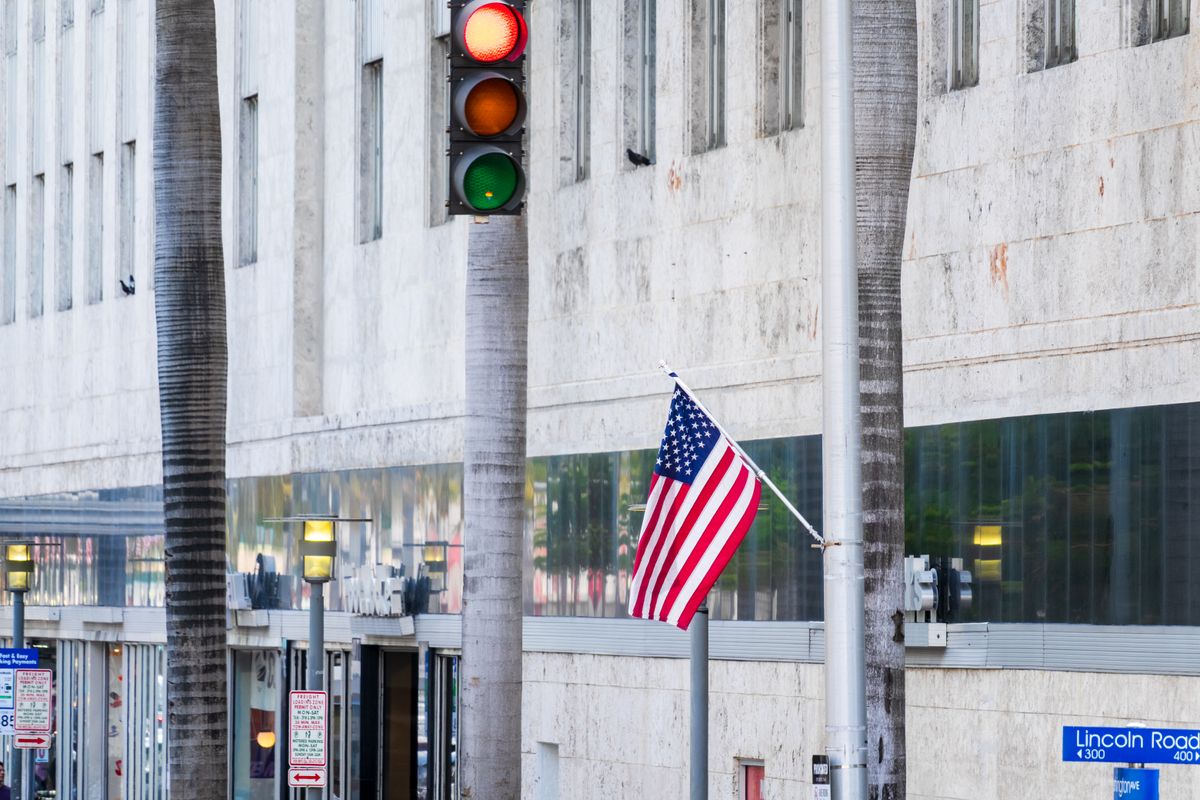
Photo by Abhishek Navlakha on Pexels
American Flag Solarlights addresses these mechanical shortcomings by moving the energy collection and emission point to the apex of the pole. By utilizing a solar powered flag pole light top, the system eliminates the travel distance required for photons to reach the flag. Run the math: a light source located 20 feet away from the target loses intensity following the inverse square law. By placing the LEDs directly above the flag, American Flag Solarlights ensures the highest possible concentration of light hits the stars and stripes. This is particularly critical when considering the variety of solar American flag lights for yard options that rely on ground-level stakes. The top-mounted configuration also benefits from unobstructed solar access. While ground lights are often shaded by landscaping, fences, or the pole itself, a solar powered flag pole light top sits above these terrestrial obstructions, maximizing the photovoltaic charge time. The integration of high-density solar cells allows for a smaller physical footprint without sacrificing the energy harvest needed to power high-output LEDs through the winter months. This design also circumvents the need for trenching wires, which is the primary barrier to entry for most homeowners. While some might argue that ground-based spotlights offer more 'drama,' the technical reality is that top-down lighting provides more consistent coverage as the flag shifts 360 degrees around the truck. American Flag Solarlights focuses on this 360-degree distribution to ensure that no matter which way the wind blows, the flag remains the focal point of the illumination field, rather than a flickering shadow.
Critical Selection Criteria for Flagpole Arrays
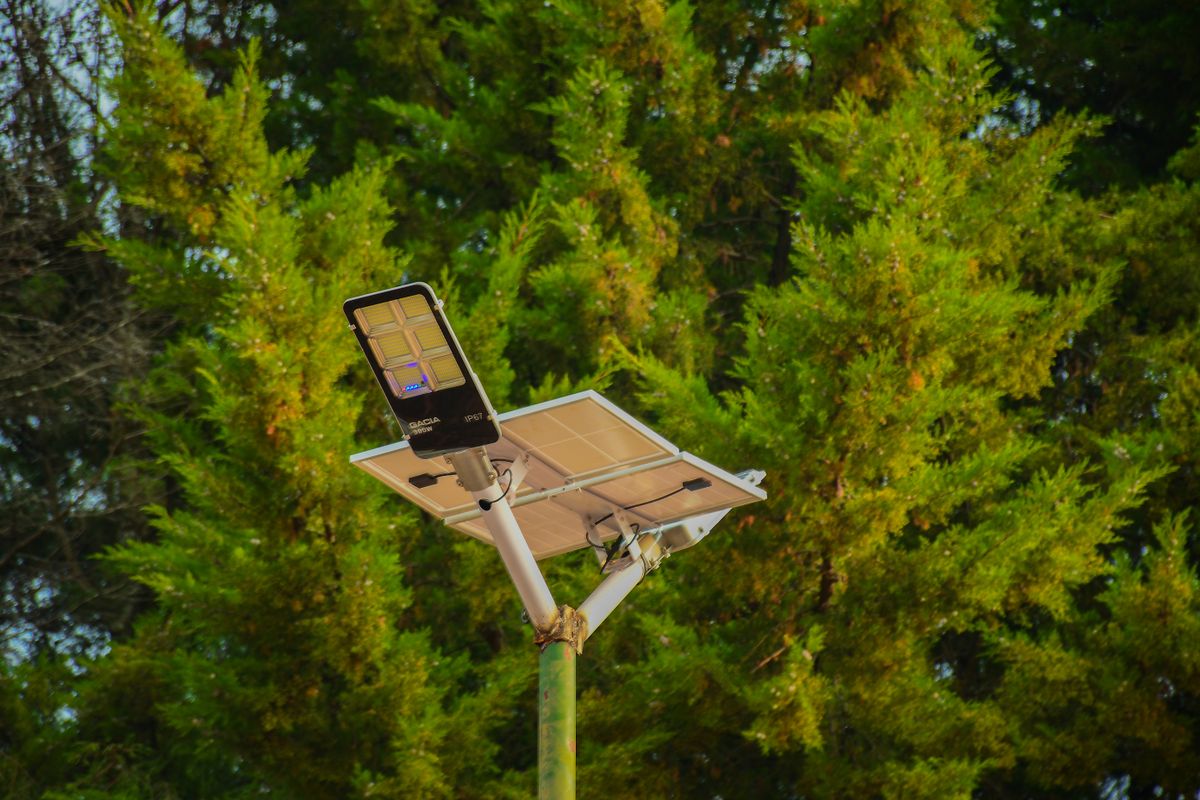
Photo by finix photographer on Pexels
Choosing a solar array for a flagpole requires looking past the marketed lumen count and focusing on the battery-to-panel ratio. A high lumen count is irrelevant if the battery capacity cannot sustain that output for at least ten hours. When evaluating a solar powered flag pole light top, the build material must be UV-stabilized to prevent the yellowing of the LED lenses, which significantly reduces light clarity over time. It is also worth noting that the diameter of the spindle must match the threading of the flagpole ornament (the gold ball or eagle). Most residential poles use a standard 0.5-inch thread, but verification is required before installation. As noted by Flagpoles Etc., durability is the primary differentiator between a seasonal gadget and a permanent fixture. I’ll change my mind when a ground-based solar stake can demonstrate the same lux levels at 20 feet as a top-mounted unit, but until then, the physics favor the apex mount. Use the following checklist to evaluate your hardware:
- Verify the spindle thread compatibility with your existing flagpole ornament.
- Check the IP (Ingress Protection) rating; look for IP65 or higher to handle heavy rain.
- Calculate the battery mAh rating against the LED wattage to ensure 10+ hours of runtime.
- Ensure the solar panel surface area is sufficient for your geographic latitude.
- Confirm the LED color temperature is between 3000K and 6000K for natural flag visibility.