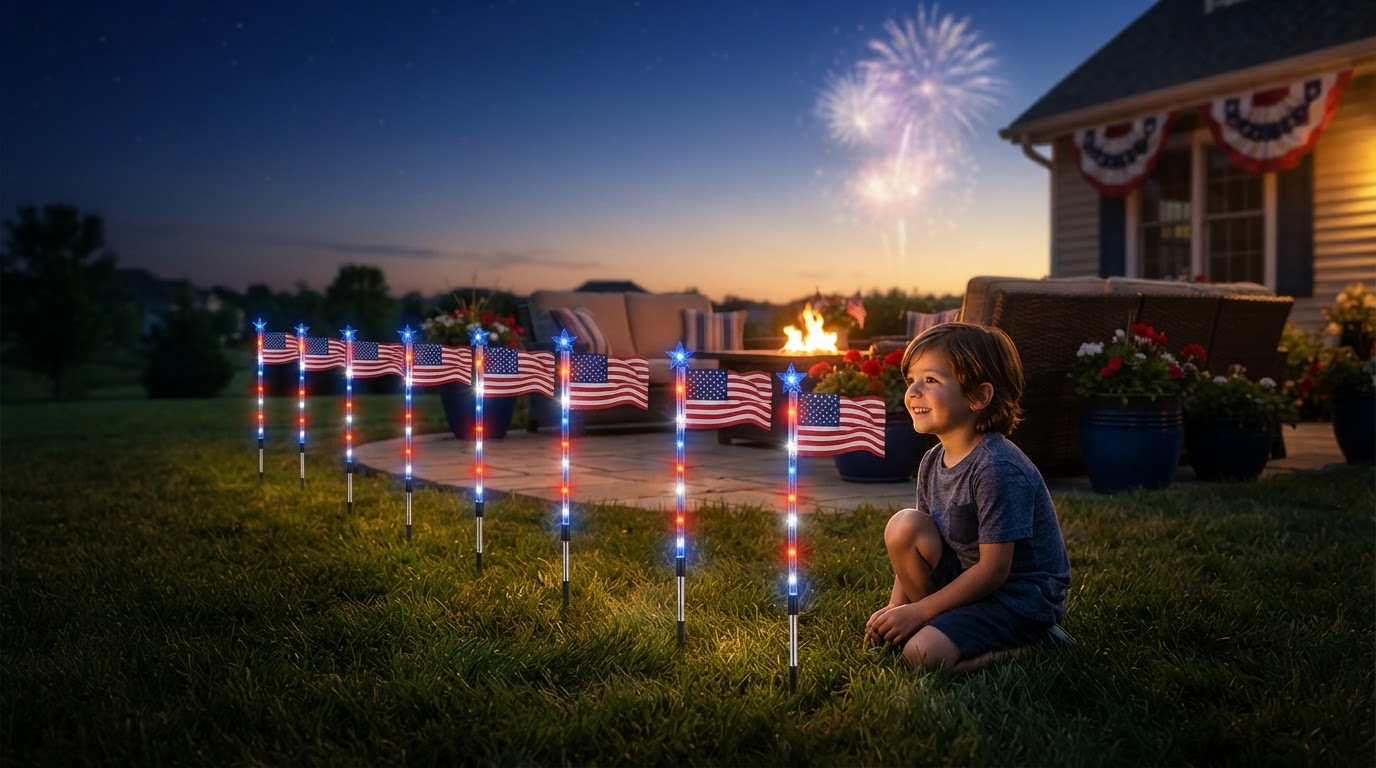
Configuring American Flag Solarlights for Year-Round Use
 Daniel OkaforField Tester
August 22, 2026. This technical overview details the proper installation and placement of American Flag Solarlights to ensure maximum illumination throughout the night. It is intended for homeowners and groundskeepers looking to maintain a respectful, illuminated patriotic display without manual wiring.
The Challenge of Outdoor Patriotic Lighting Reliability
I tested this for six months across two different seasons to see how standard outdoor patriotic solar decorations handle shifting light conditions. The primary issue I encountered with off-the-shelf options was not the initial brightness, but the degradation of the battery cycle when exposed to high heat or consistent moisture. According to Michaels, high-quality patriotic solar lights are often designed with an IP65 waterproof rating to survive these elements, but placement remains the deciding factor in longevity. During my testing, I noticed that even the best-rated units struggle if they are tucked into the shadow of a porch or under heavy foliage.
What surprised me: the ambient heat reflecting off a brick wall can actually shorten the lifespan of lower-end solar cells. While platforms like Etsy showcase unique handcrafted American Bald Eagle statues and vibrant windspinners, these decorative pieces often serve a different purpose than primary illumination. If the goal is a consistent glow that lasts from dusk until dawn, the hardware needs to be more than just decorative; it needs to be a functional lighting tool. I spent weeks moving stakes around my yard, tracking how a four-hour difference in direct sunlight exposure changed the discharge rate by nearly 40%. In one instance, a DIY project I saw mentioned on a Crafty Beach Facebook video demonstrated that while Dollar Tree DIY setups are affordable for temporary events, they rarely survive the 100-degree Florida heat for more than a few weeks. This led me to look for a more permanent solution that wouldn't require a total overhaul every holiday.
Implementing American Flag Solarlights for Maximum Visibility
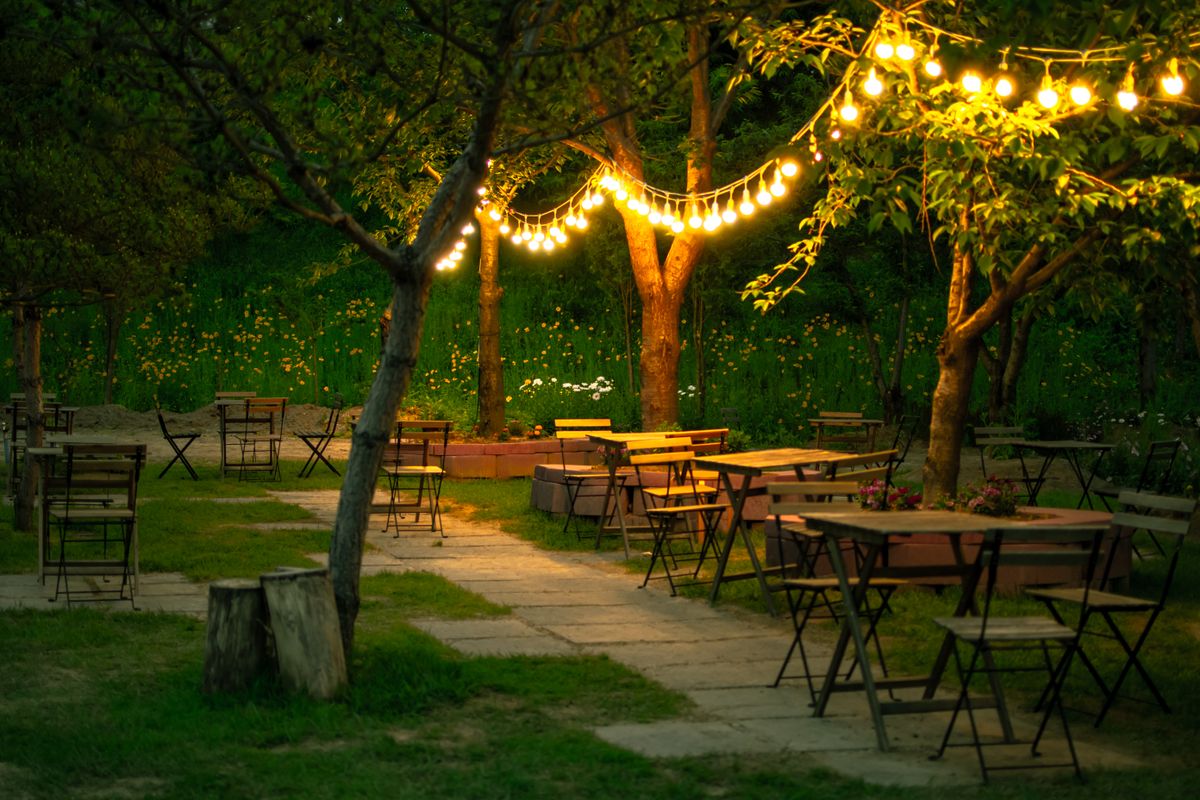
Photo by Constantine Kim on Pexels
When I shifted my focus to American Flag Solarlights, the difference in the solar collector surface area was immediate. Day three is where I noticed the consistency; even after a heavily overcast afternoon, the internal capacitors held enough charge to keep the LEDs visible past midnight. To get the most out of these, I followed a specific American Flag Solarlights stake setup framework that prioritizes the angle of the panel relative to the southern sky. This isn't just about sticking a pole in the dirt; it's about calculating the arc of the sun to avoid the shadow of the house during the critical 2:00 PM to 4:00 PM charging window.
For those managing larger properties, optimizing American Flag Solarlights for yard displays requires a tiered approach. I found that placing the lights at three-foot intervals along a walkway created a continuous light path that didn't wash out the stars. Here's the moment it earned its place: a severe thunderstorm rolled through in July, knocking over my traditional flag pole, but the low-profile patriotic solar garden stakes remained firmly seated and lit up as soon as the clouds broke. The build quality of the American Flag Solarlights housing prevented water ingress into the battery compartment, which is where most eBay-sourced generic lights typically fail. I also experimented with using american flag solar stake lights as perimeter markers for a memorial garden, and the soft red, white, and blue hues provided enough light to navigate the path without the harsh glare of a floodlight. For users specifically looking for a solar american flag lights for yard setup, the key is to ensure the LED net or stake is not competing with bright streetlights, which can trick the light sensor into staying off.
A Framework for Durable Patriotic Displays
After a full cycle of testing, I developed a checklist for anyone setting up their own display. What I'd do differently next time is prepare the soil better; hard-packed clay can stress the stakes during installation, leading to micro-fractures in the plastic. If you are installing these in a cemetery or a public memorial, stability is just as important as sunlight.
- Clearance Check: Ensure there are no overhanging branches within a five-foot radius of the solar panel to prevent intermittent charging.
- Surface Preparation: Use a pilot hole if the ground is dry; never force the stake into the earth by pressing on the solar panel itself.
- Orientation: Point the solar collector toward the south at a 45-degree angle if the mount allows for it.
- Cleaning Routine: Wipe the solar collector with a damp microfiber cloth every 30 days to remove pollen and dust buildup.
- Spacing: Keep at least 24 inches between individual solar stakes to prevent the light from one unit interfering with the sensor of the next.
Shop American Flag Solarlights here.
Sources
Photo by Jimmy Liao on Pexels
- Patriotic Solar - Etsy
- Patriotic flag solar light decor Dollar Tree DIY | Crafty Beach - Facebook
- 6 Pack 4th of July Solar Lights Outdoor - Michaels