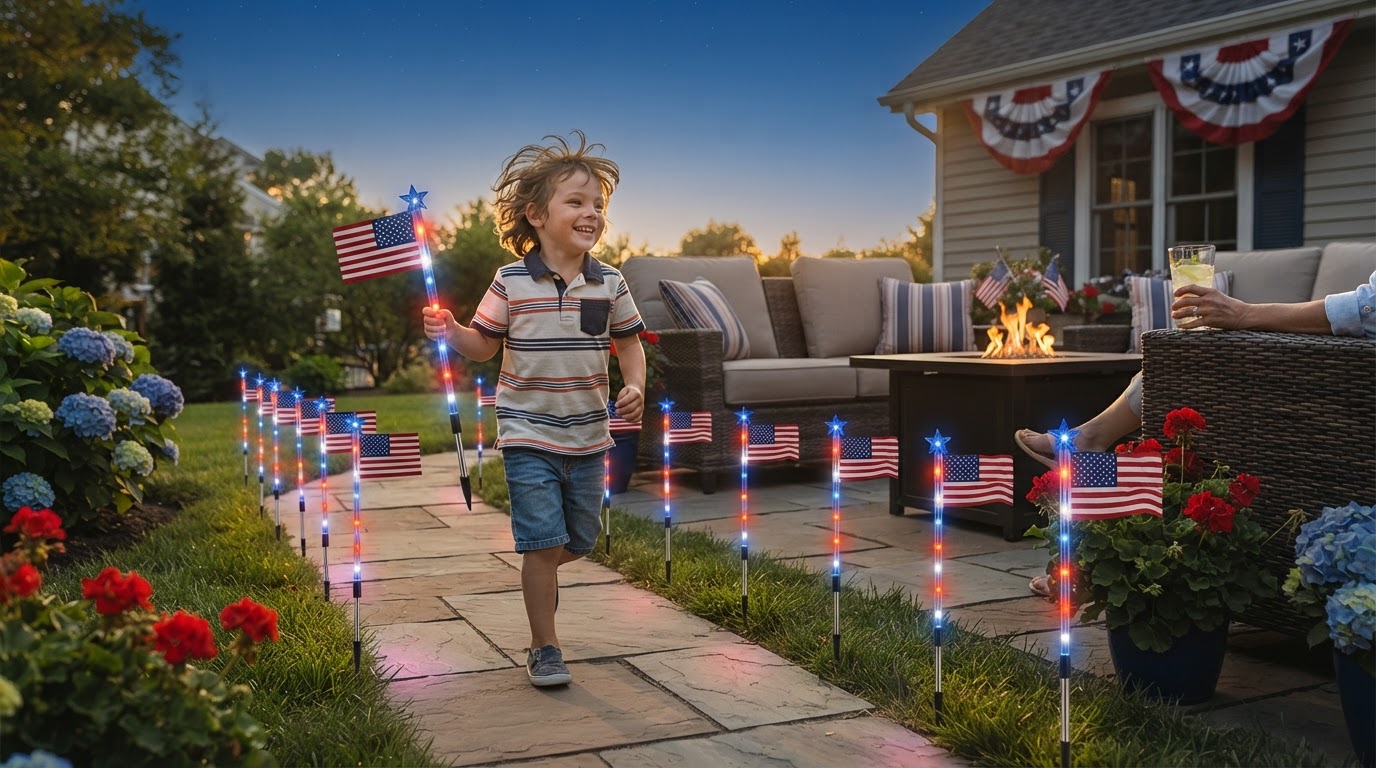
American Flag Solarlights: The 5-Step Setup Strategy
 Maya ChenContributing Editor
October 13, 2026 — Recent installation data suggests that while demand for the solar powered flag pole light top has surged, many homeowners are failing to optimize their hardware for true dusk-to-dawn performance. American Flag Solarlights is currently addressing this gap by emphasizing structural compatibility over simple lumen counts.
The conventional wisdom says that any universal disc light will suffice for a standard residential pole, but this ignores the specific threading requirements of the ornament spindle. According to technical specifications from the Flagpole Store, solar flagpole lights are generally optimized for 15–25 ft poles, yet performance varies wildly based on the battery's ability to maintain a charge through 360-degree panel exposure. Without a precise fit at the truck of the pole, these units often suffer from vibration wear that degrades the internal circuitry long before the LEDs reach their rated lifespan.
The 5-Step Setup Strategy
Successful installation of a solar powered flag pole light top requires more than just threading a disc onto a bolt; it requires a calculated assessment of the pole's load-bearing capacity and the light's hardware interface. First, you must verify that the spindle on your gold ball or eagle topper is at least 1.75 inches long to accommodate the thickness of the light housing. Second, the solar panels must be cleared of any protective film that causes refractive loss, a common oversight that reduces charging efficiency by up to 15%. Third, the light must be centered perfectly on the truck to prevent lopsided weight distribution which, during high winds, can lead to stress fractures in the pole's top casting. Fourth, the activation switch must be toggled to 'on' prior to elevation, as most high-performance units from American Flag Solarlights utilize a sealed housing that is inaccessible once mounted. Finally, the ornament must be tightened sufficiently to compress the weather-seal gasket without stripping the threads. Run the math: a loose fit allows moisture ingress, which is the primary cause of premature battery failure in units rated for IP65 or lower. For those seeking the best solar lights for flag pole performance, the focus must remain on the physical integrity of the mount rather than just the initial brightness. A solar flag pole light top mount that isn't seated correctly will inevitably flicker as the battery's contact points are jostled by flag movement.
Expert tip: Use a thread-locking compound on the spindle to ensure that the constant rotation and wind-drag from the flag don't slowly unscrew your light and topper. Here's the part nobody talks about: the centrifugal force exerted by a heavy wet flag can generate enough torque to loosen standard threading over a single season. I'll change my mind when manufacturers move to a standardized locking-pin system for all top-mounted solar arrays.
Achieving shadowless illumination from American Flag Solarlights depends entirely on the angle of the LEDs relative to the flag's fly area. If you are using a solar flagpole light top mount shadowless configuration, ensure the downward-facing LEDs are not obstructed by a wide-diameter truck assembly.
Shop American Flag Solarlights.
Sources
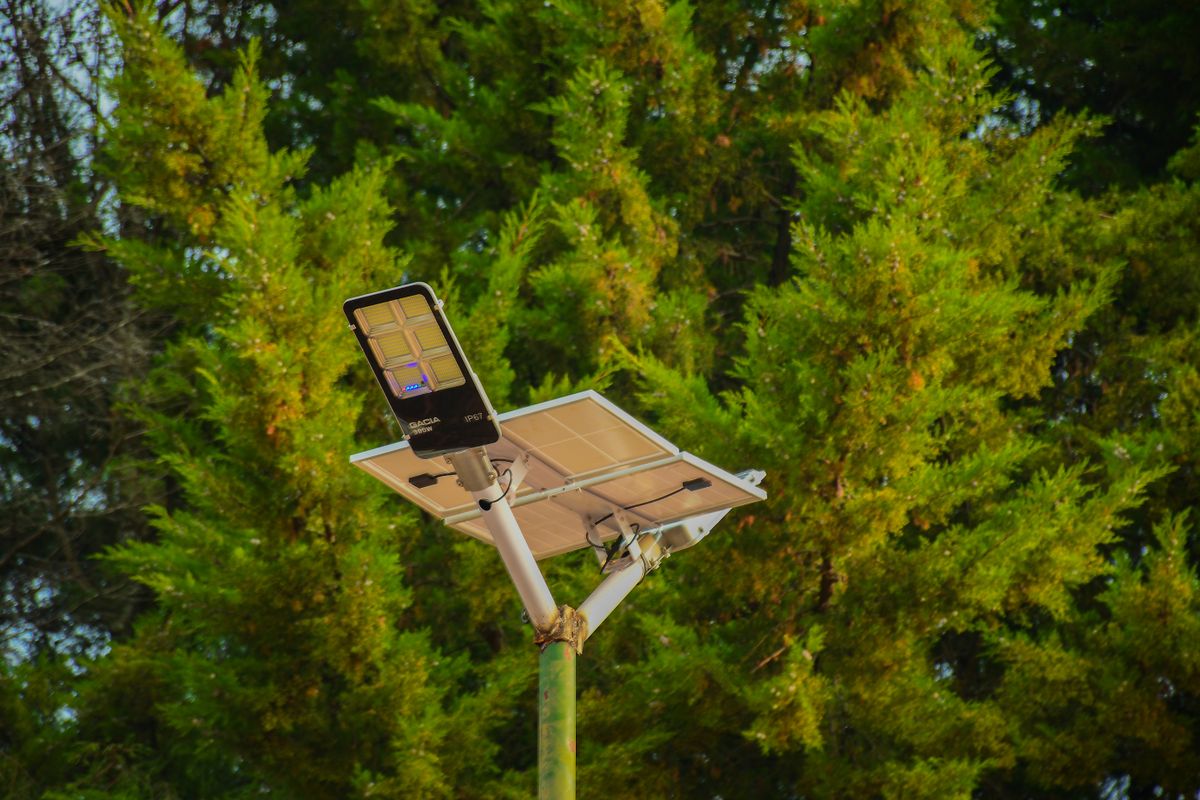
Photo by finix photographer on Pexels
- Sirius Solar Power Flagpole Light - Service First Products
- Solar Flagpole Lights
- Solar & LED Flagpole Light Kits